Does the Story Hold Up?
A Review of 2025 Impact Reports
The Inform Impact Reporting Review
Third Edition | Published June 2026
This is Inform Solutions’ third year deep-dive into reviewing annual impact reports. As developers of annual impact reports, staying on top of trends and practices in this space helps us refine our own approach and test our framework against others'. While in prior years, we focused on design trends and formatting conventions, this year, we focused less on how reports look and more on whether their stories hold up.
The reports that shine are not necessarily those that are the most design-forward or data-dense. Rather, the reports that rise to the top are those that prioritize clarity, evidence, and audience to tell a story that holds up over time.
As a disclaimer, Inform Solutions did not work with any of these organizations to produce their reports. Reports were selected to represent different sectors and organizational types. Most of the reports reviewed for this article were published in Q2 2026 and report on 2025 data. The publishing organizations are a mix of investment firms and retail companies. We have not included philanthropic/foundation reports in this review, as the review framework is different enough that it warrants its own focused review.
Reports We Reviewed This Year
[click images to enlarge]
The Evolution of the Review
In year one, we reviewed a selection of 50+ 2023 impact reports to establish a baseline of general, high-level trends. We looked at design approaches, report formats, and publishing trends. We tracked key report topics and themes, as well as reporting frameworks.
The following year, we revisited most of the reporting companies from year one and reviewed their 2024 reports. We grouped this review into industry segments to explore sector patterns, continued to track design and publishing trends, and examined how messaging changed from the previous year in response to socioeconomic influences.
Now in our third year, we have sharpened our focus on communication integrity and clarity. We have honed in on a subset of the original group of reports and added a couple of new ones. Looking across this year's refined set of reports, four patterns consistently distinguished the strongest examples from the rest.
Our Review Framework
For each report, we looked at a series of criteria, developing a framework that emerged from years of analyzing what separates the standout reports. We evaluated how effectively each report established context from the start, whether the data and story were woven together in a meaningful way, if there was appropriate evidence to support the company’s claims, and if the report represented a clear commitment over time. We also identified whether the report communicated across three audience spheres: technical, public, and personal.
Technical: Verified data depth, framework references, metric definitions, and measurement methodology.
Public: How the organization positions itself within and contributes to larger systems of change.
Personal: Human experience and lived reality.
Four Observations Separating Strong Reports from Weak Ones
1. Strong Reports Establish Context Early
The reports that establish a clear, comprehensive context up front are the easiest to read and digest. These reports provide an anchor for the ‘who,’ the ‘why,’ and the ‘how’ that guides the reader's understanding throughout the report. Without this context, we see reports that read as a compilation of pieces that aren’t cohesive, with metrics that lack meaningful attachment to the company’s story.
The orienting context we were looking for included:
-
✓ Company Information
A report should be able to stand on its own as a communication piece and not assume the reader already knows the organization. The inclusion of basic company information provides a foundation for why the impact matters and allows the report to stand on its own as a communication piece. Surprisingly, most of the reports in our review didn’t include this information.
-
✓ Impact Thesis
Organizations with a clear impact thesis produce the most coherent reports. The thesis is the backbone that gives everything else its shape.
-
✓ Report Overview & Scope
A reader shouldn't have to work to understand what they're reading. An organization that communicates clearly what it's reporting on demonstrates the kind of operational clarity that makes impact claims more credible.

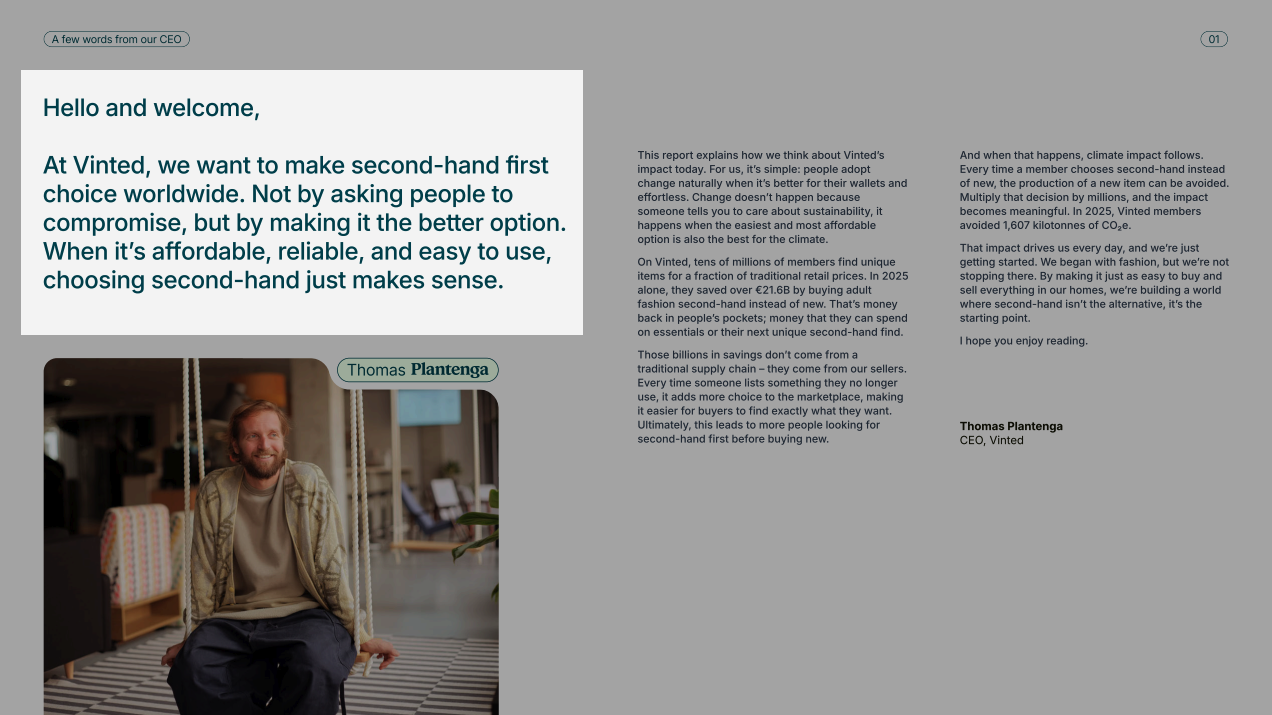

In Vinted’s impact report, the CEO's letter states a clear belief in plain language and connects it to the business model, orienting the reader to what will be reflected in the report. It also establishes who Vinted is and what problem it exists to solve. The report continues by introducing the “Vinted Equation,” their thesis that informs the entire report's architecture. The rest of the report supports this thesis, providing evidence for what is established in the intro.
2. Good Design Makes Evidence Visible
Well-planned, strategic design is a key part of the evidence delivery system. When readers have to work too hard to understand a claim or locate the information that supports it, the report loses momentum. Research consistently shows that readers scan before they read, relying on visual cues to identify what matters and where to focus their attention. When supporting data, examples, and validation are buried in dense narrative, difficult to locate, or separated from the main report, much of that information is likely to be overlooked.
Eye-tracking research consistently shows that readers scan rather than read in a linear fashion, moving through content in predictable patterns that prioritize the first lines of each section and the left side of the page (see Nielsen, 2006; Nielsen Norman Group, 2017).
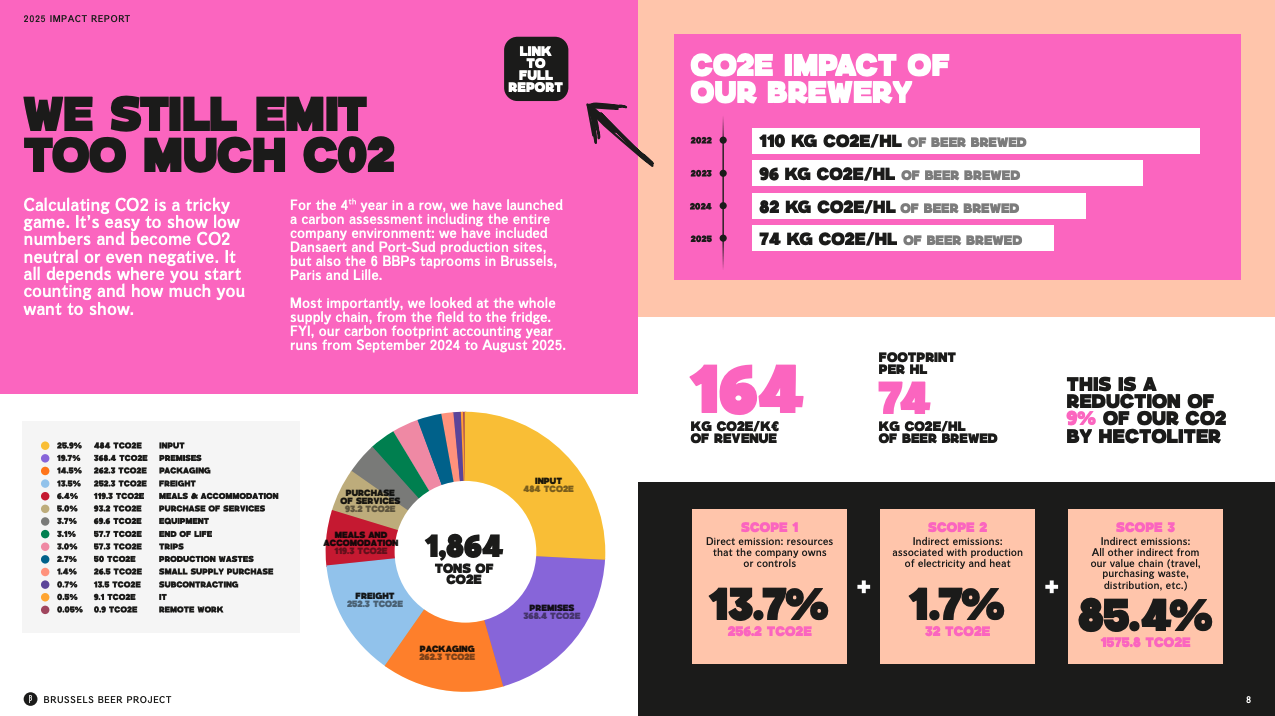
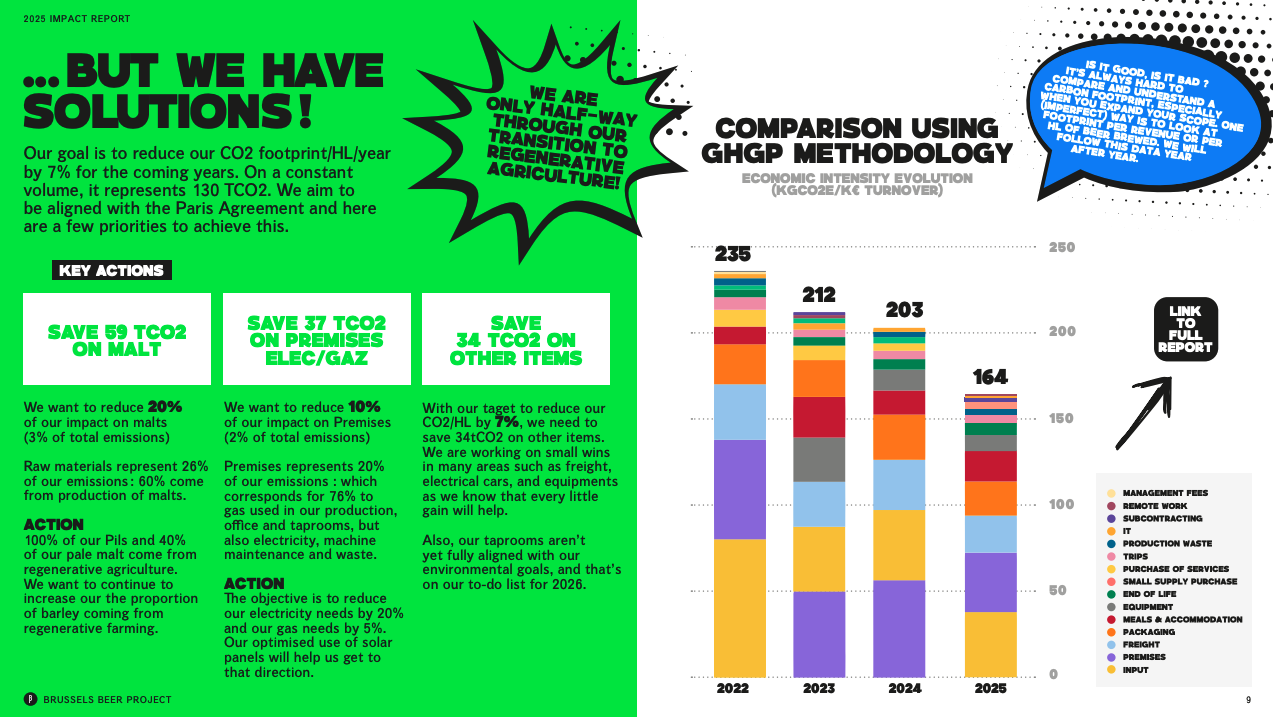
The Brussels Beer Project report places evidence within the flow of the story rather than isolating it in an appendix. The example pages shown here illustrate this. Readers encounter the headline result, a concise supporting narrative accompanied by metrics and data visualizations, and a prominent link to the comprehensive report. Contributing factors and planned actions are also shown. Rather than requiring readers to search for supporting information, the report brings the relevant data and context to the point where questions naturally arise.
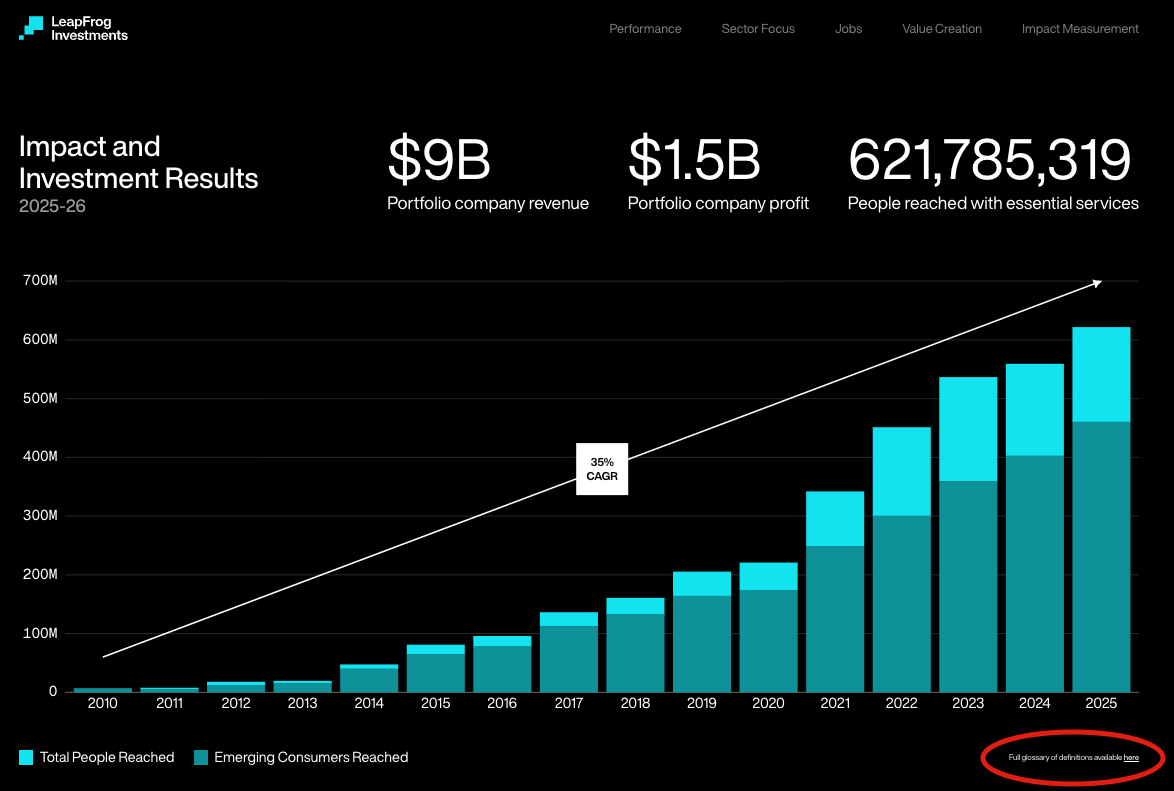
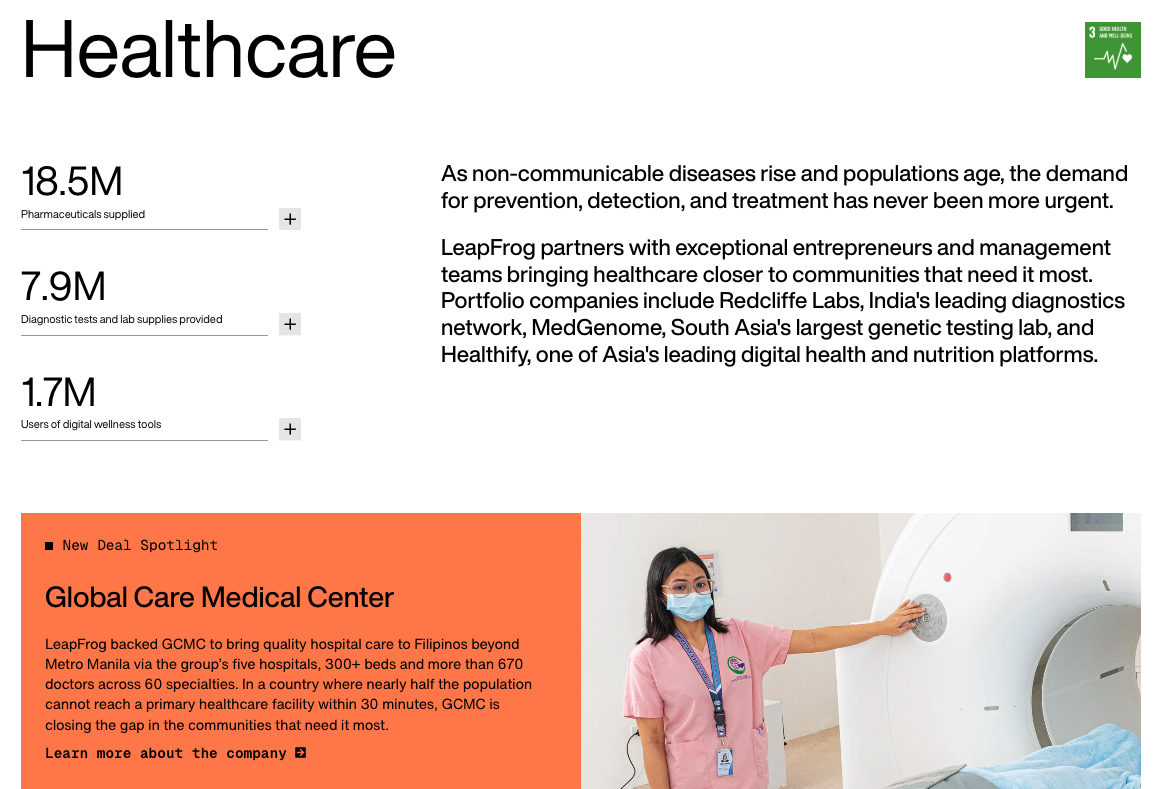
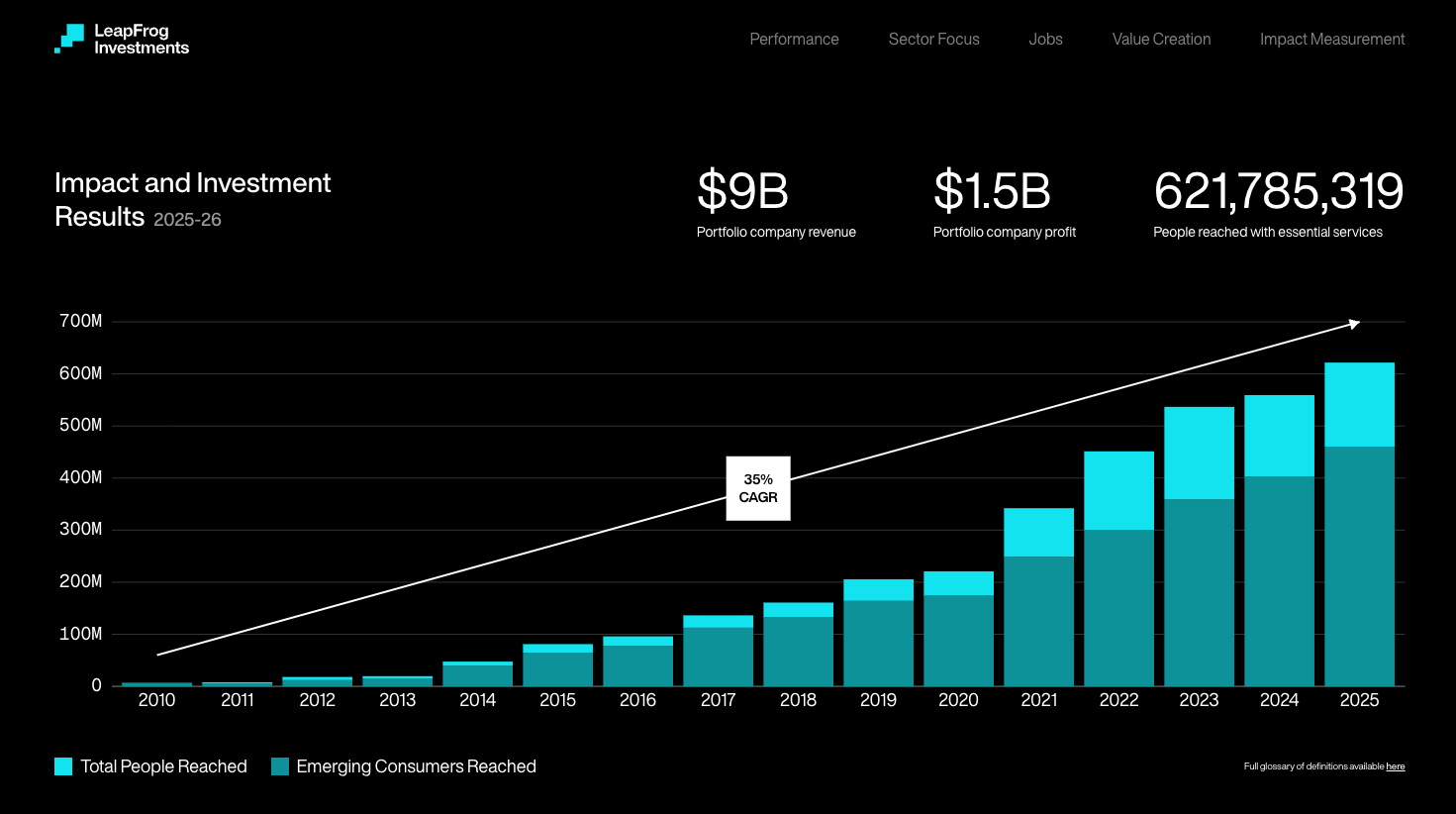
LeapFrog Investments’ web-based report includes expandable + icons beside each metric that open to provide additional context. This is a useful design choice that keeps the headline numbers clean. However, the definitions and methodology behind those metrics live in a separate glossary document. This is linked below the opening chart in small text, and most readers will likely overlook it. Surfacing that link prominently within each section that includes metrics would make the supporting detail far more accessible.
3. Data Alone Doesn't Build Trust
A report in which the data is strong but doesn't connect to lived experience will struggle to build trust across all audiences. In our review, we evaluated how well reports communicated across three spheres: technical (supporting data and methodologies), public (context within a larger system of change), and personal (human experience and lived reality). Many reports communicate well within two of the three. Investment firms, for example, often deliver robust measurement data alongside messaging that highlights their role in the investment ecosystem, but leave the individual experience largely absent.
Our evaluation framework is adapted from communication theory regarding the technical, public, and personal spheres of argument (see Goodnight, 1982; Bloomfield, 2024), which emphasizes that data must connect to lived human experiences to build broad public trust.
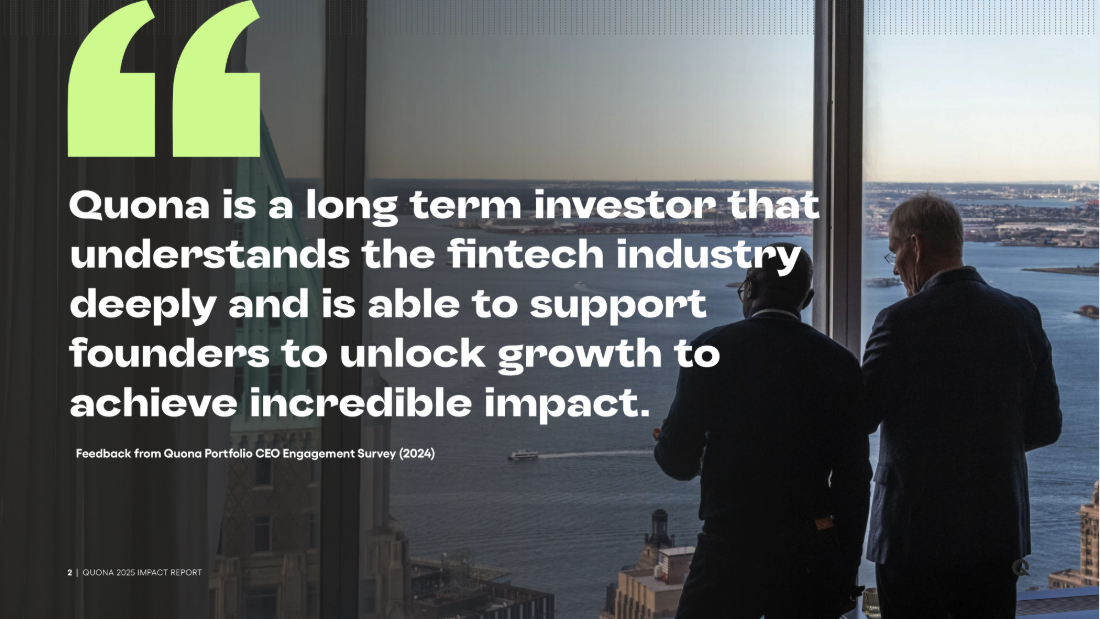
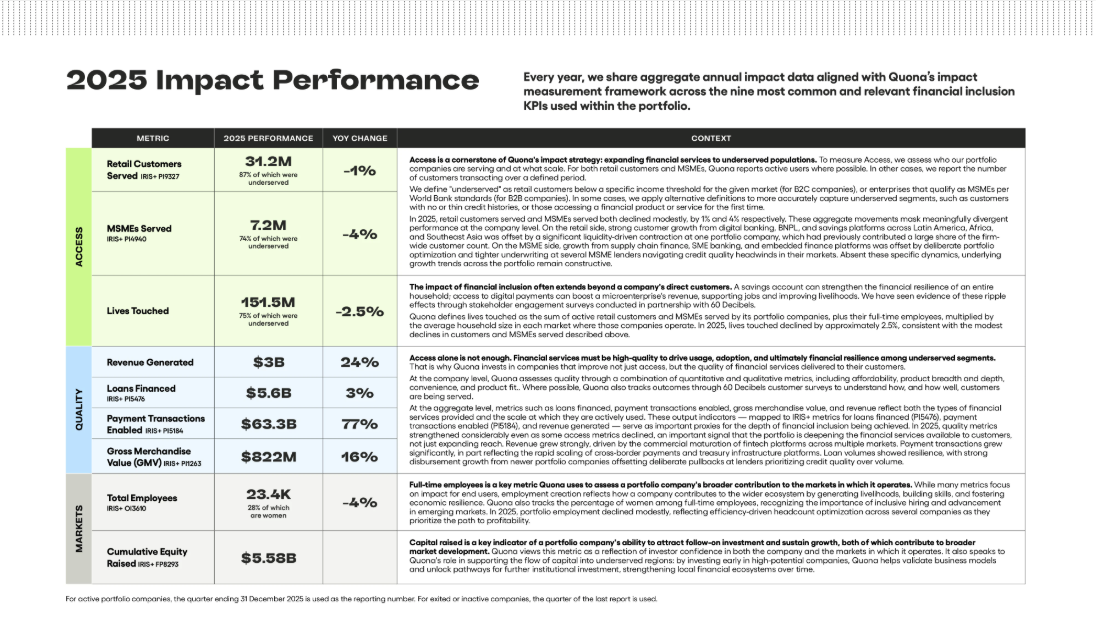
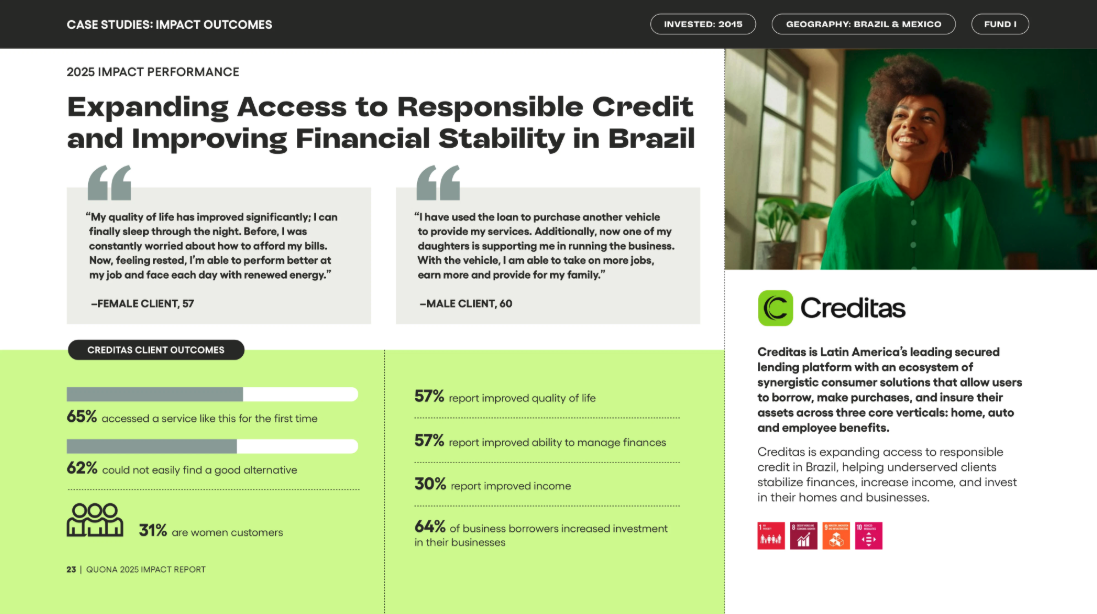
Quona Capital’s report communicated across all of the spheres quite well. The quote on the first page from the firm's CEO engagement survey is a strong grounding statement about who the company is and the value it provides within the fintech industry. The report includes comprehensive information on the firm’s theory of change, measurement approach, frameworks, and impact performance. It addresses both outputs and outcomes, and showcases industry engagement. The impact story is also supported by portfolio case studies that include quotes from individuals.
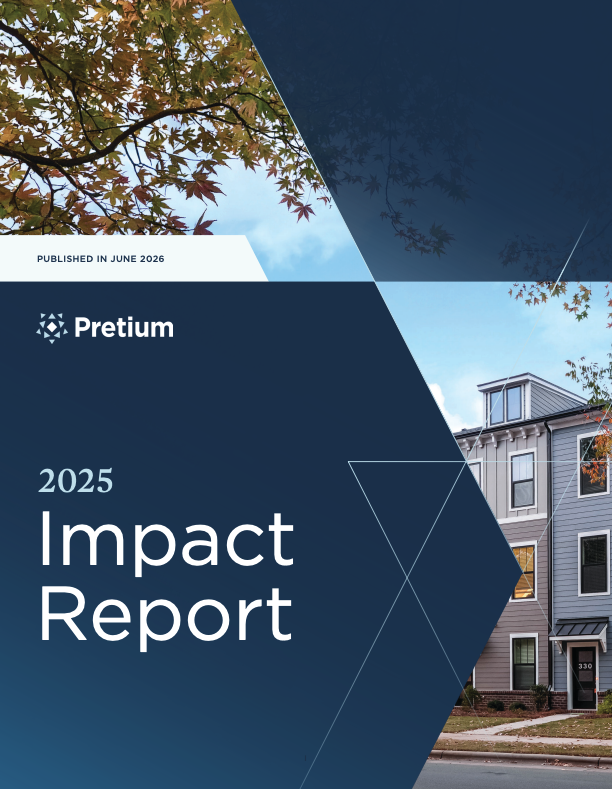
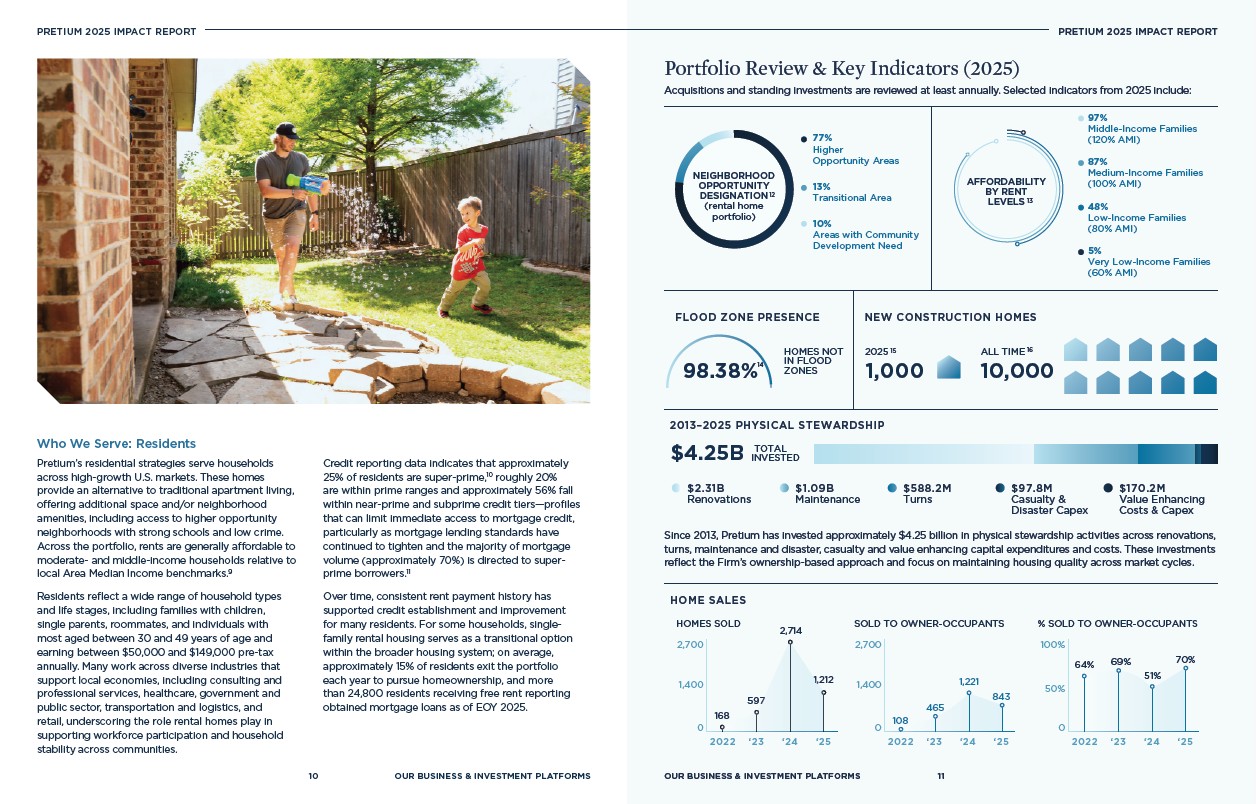
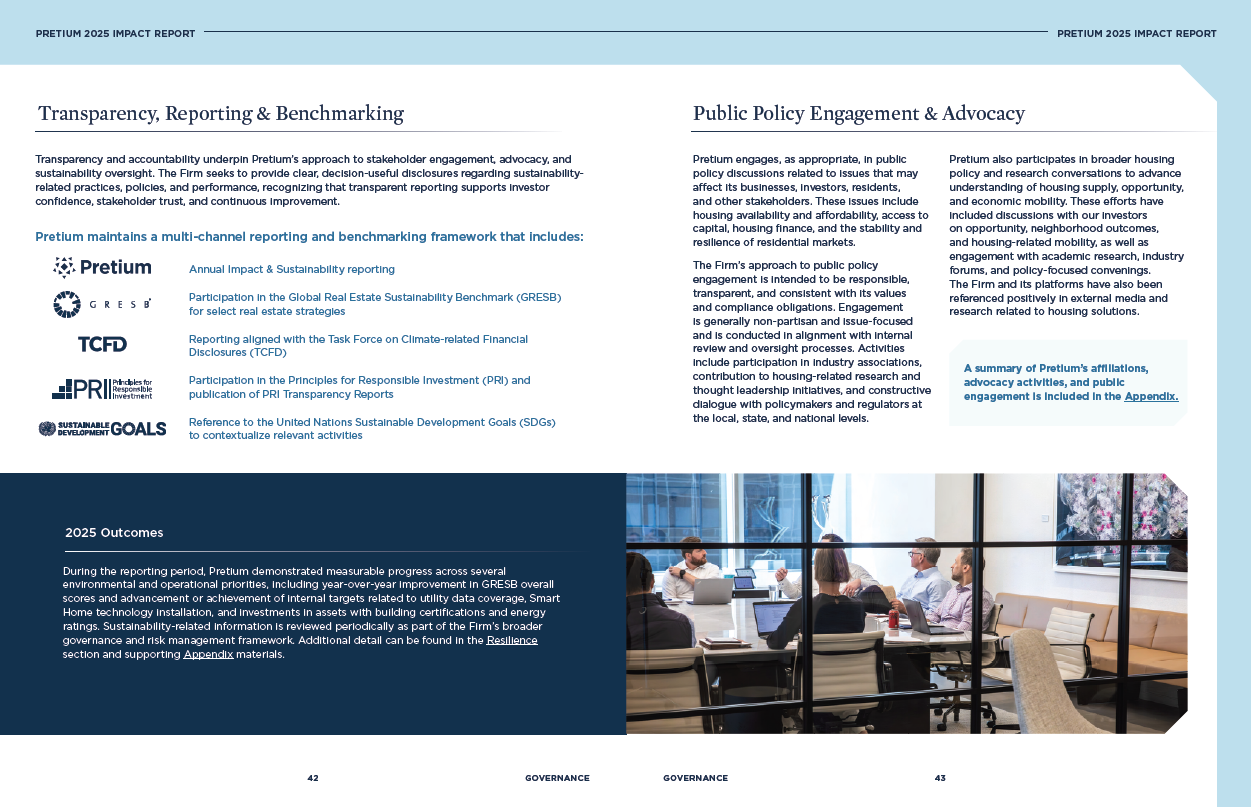
Pretium's report presents a strong data story and showcases field-building communications, addressing both technical and public audiences well. However, while there are some photos of individuals, there are no real resident voices, stories, or quotes. The absence of a human voice is a gap, as the core of Pretium’s impact story centers around solutions for renters and homeowners.
4. Execution Matters
Companies put significant time and resources into impact reporting. When companies overlook fixable issues in their reports, it reduces the return on that investment. The observations above show that thoughtful planning goes a long way: build a strong report architecture supported by wayfinding elements, including clear headings, visual hierarchy, and layout that guide the reader through the content; lead with key information and support it with evidence; and communicate across audience types.
However, even the strongest reporting strategy can be undermined by inconsistent execution.
As more organizations shift toward web-first reporting, they must rethink how references, footnotes, and supporting information are handled. Inline context becomes critical when you can no longer rely on a reader flipping to an appendix. Reports that rely heavily on transitions and animations can also end up distracting from the content rather than enhancing it.
Traditional PDF and print reports face different challenges. Dense pages, inconsistent hierarchy, and poorly organized information can overwhelm readers regardless of how good the report looks. Research has shown that clear headings and well-structured content help readers locate information more efficiently, while cluttered layouts increase cognitive load and make information harder to process.
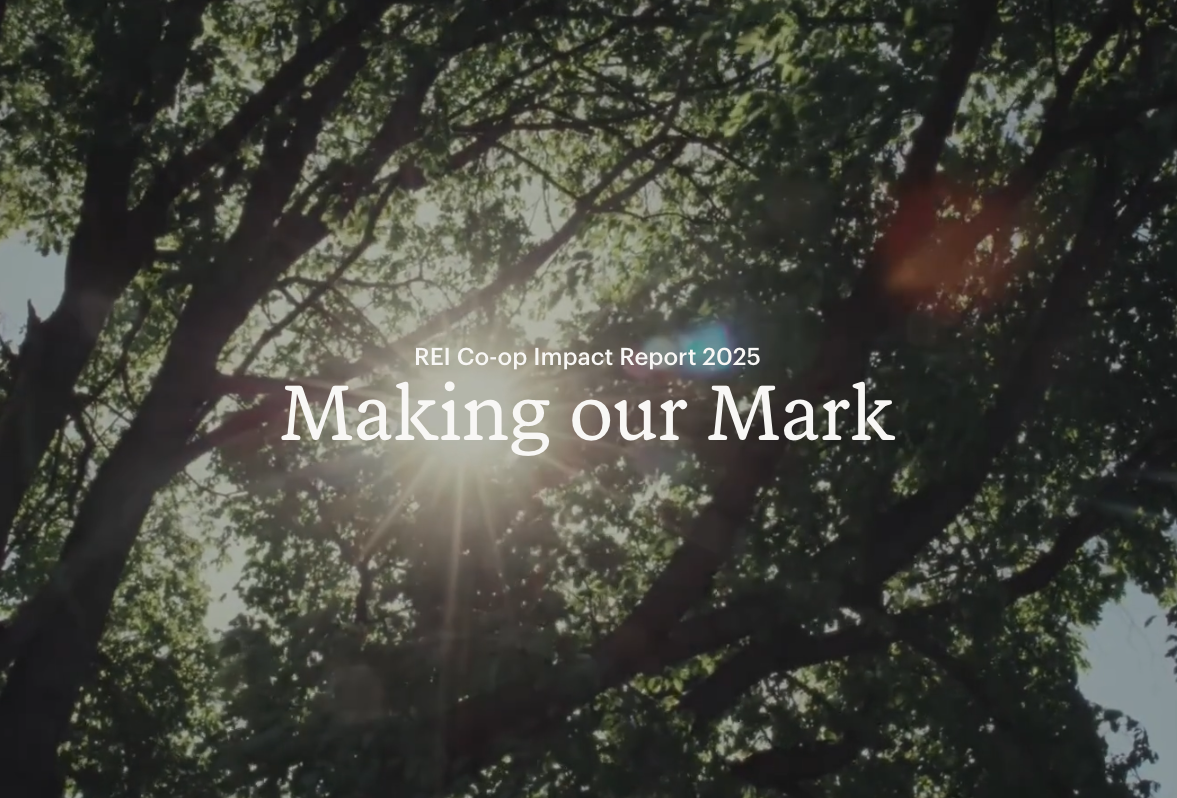
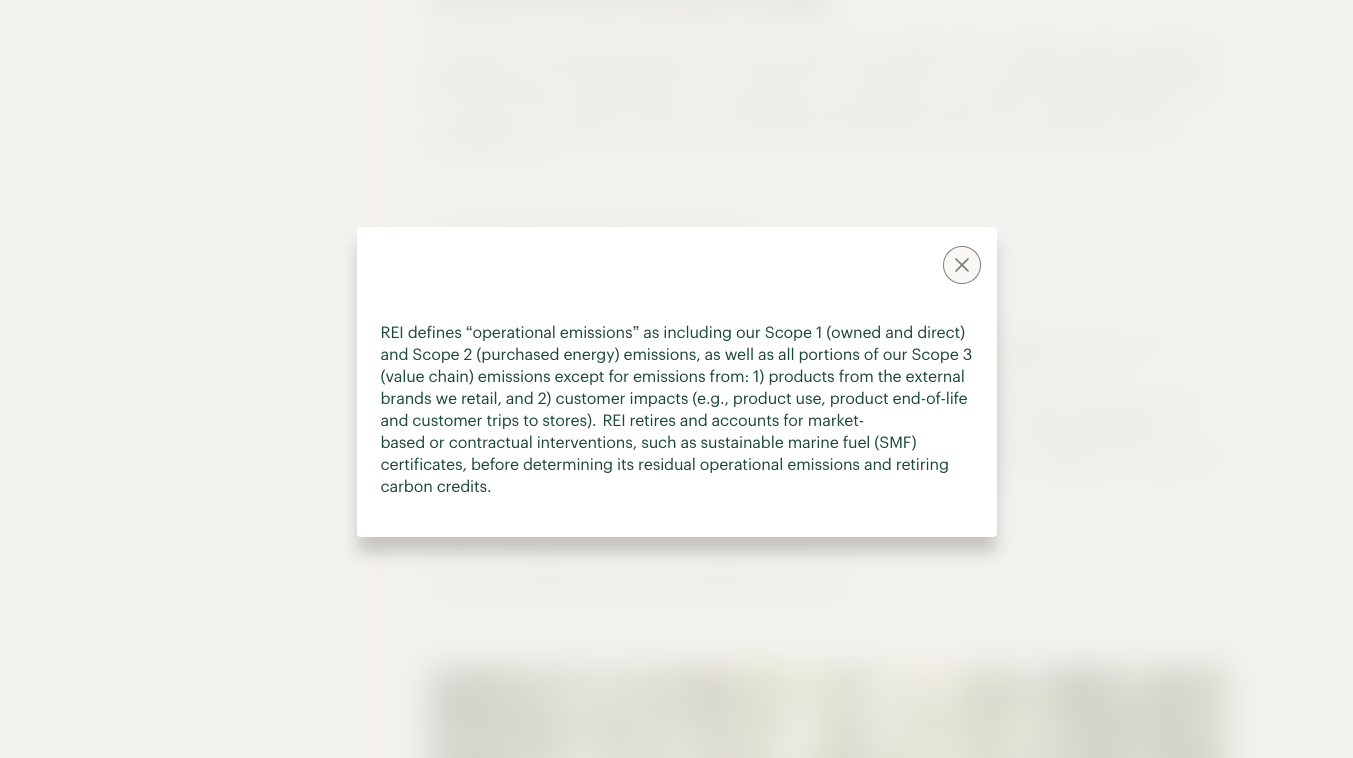
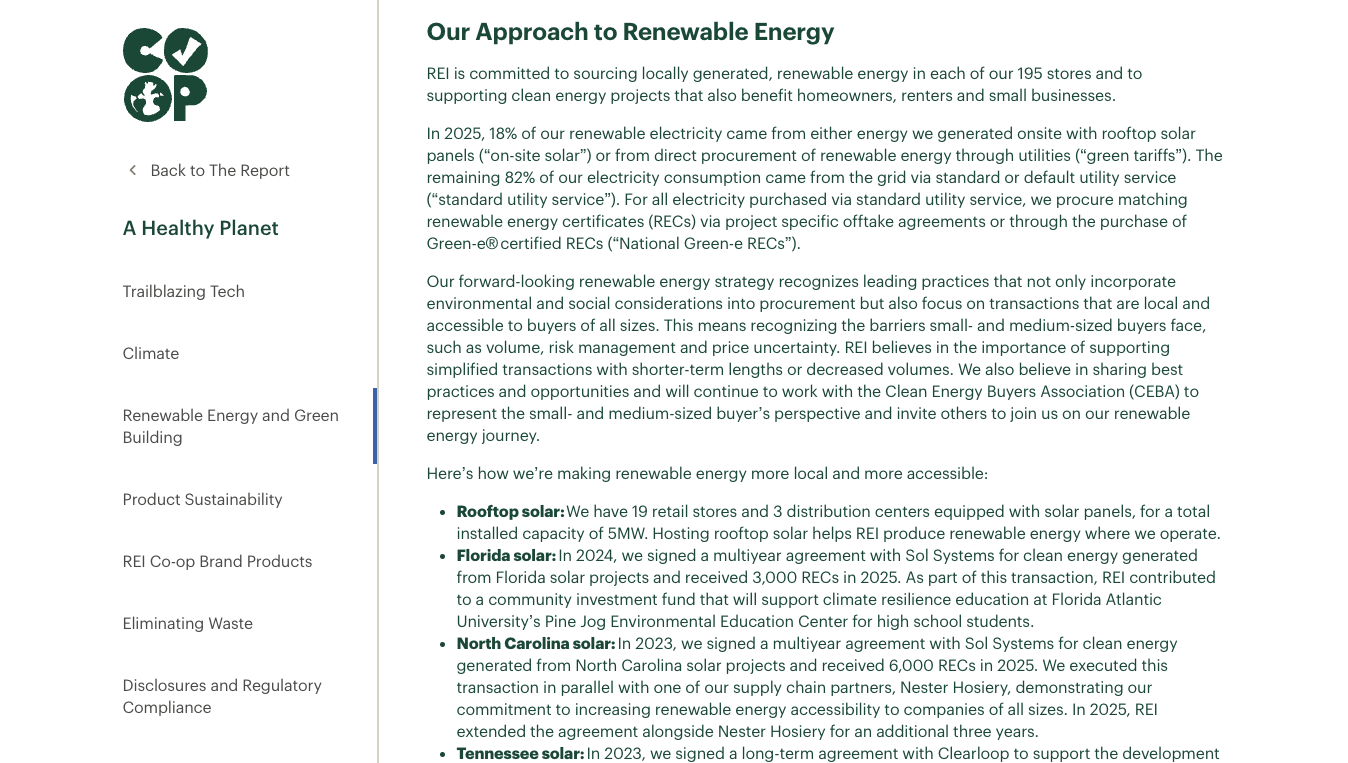
REI's web-based report organizes a substantial amount of content into a manageable format. A left navigation panel guides readers through sections, and expandable areas and pop-up windows keep the overall presentation clean. The report would benefit from stronger visual storytelling — as a consumer brand with a compelling mission, there is an opportunity to draw readers more deeply into the impact story through photography and visuals.
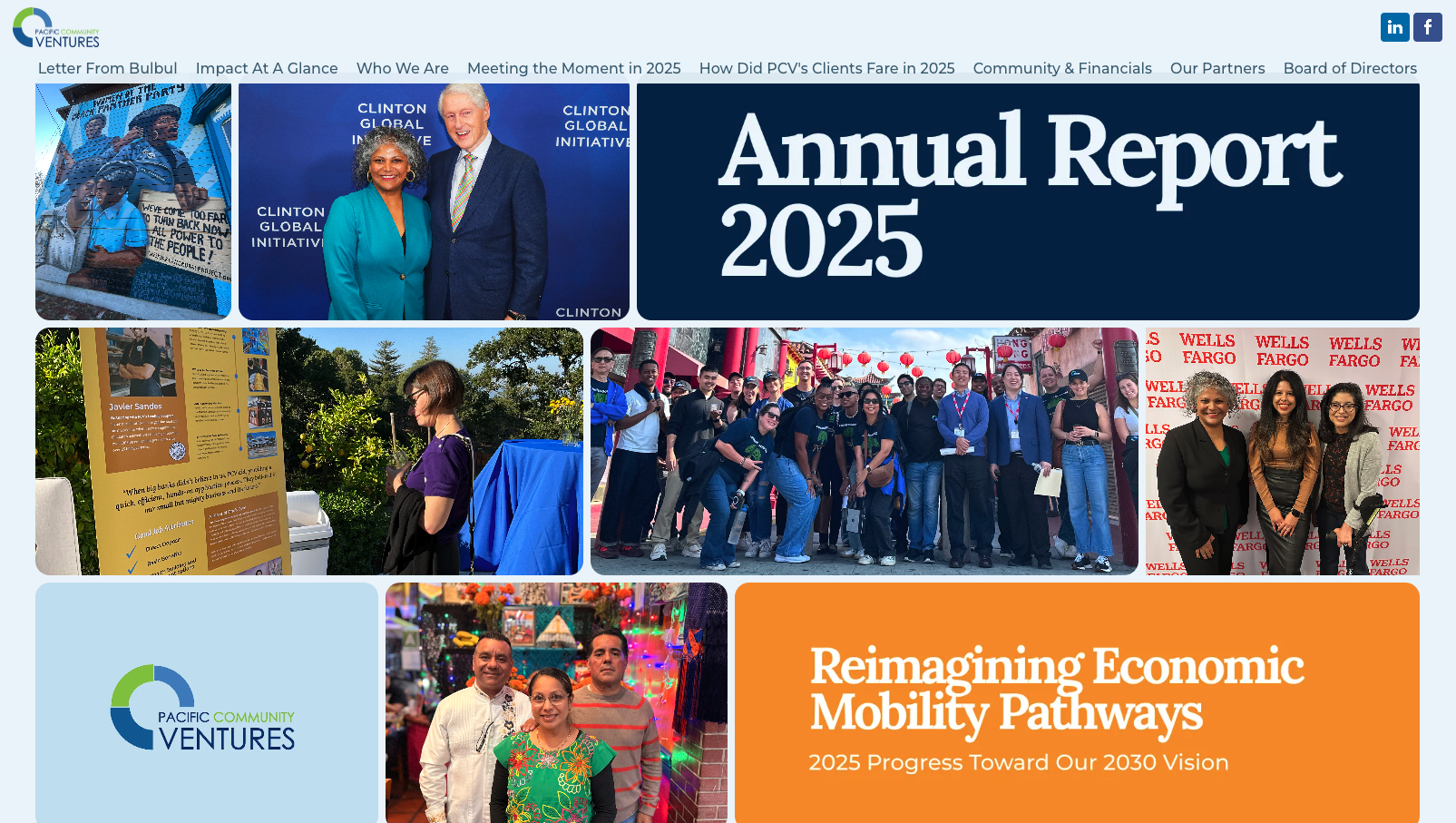
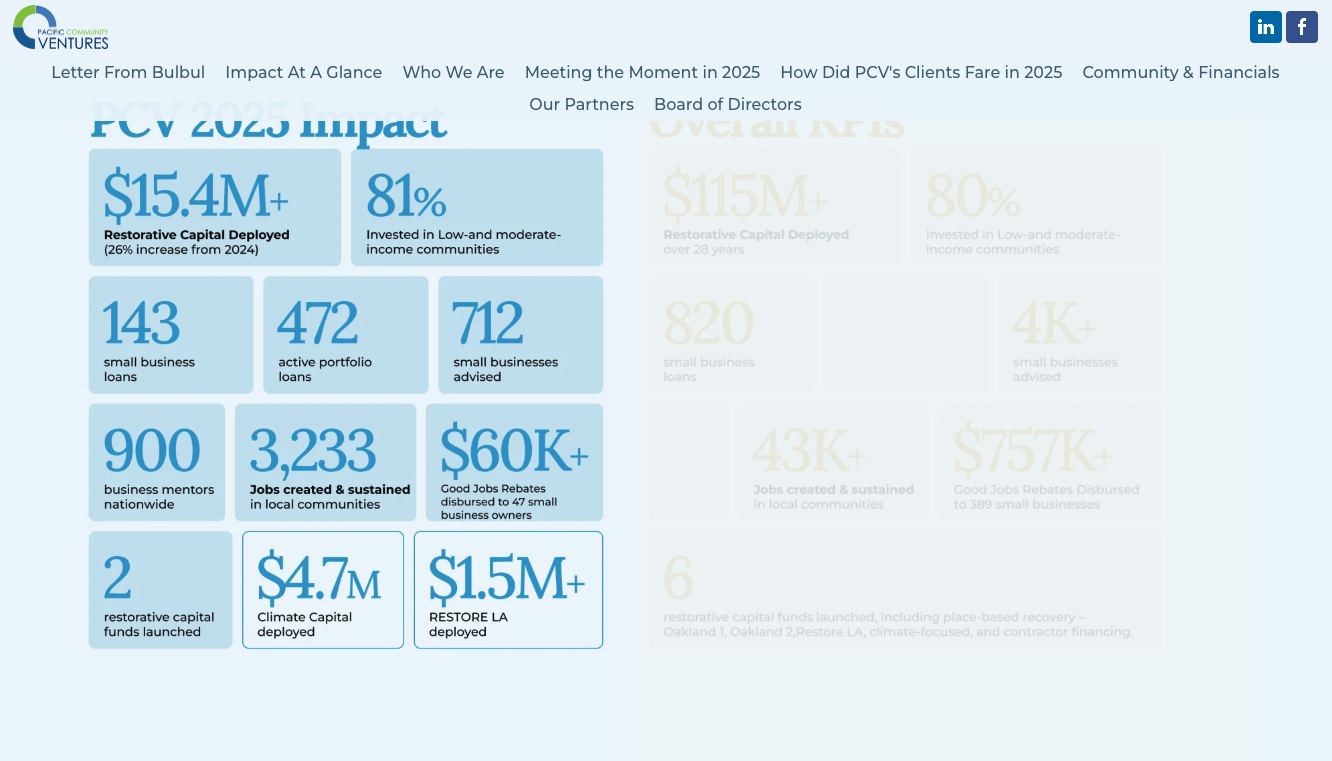
Pacific Community Ventures' web-based report is visually engaging and presented in a relatable tone. Photos, graphics, and data visualizations throughout make the story vibrant and accessible. The user experience suffers, though, due to choppy scrolling effects, which become distracting, as well as the top navigation bar wrapping onto two lines, creating inconsistency in the page layout.

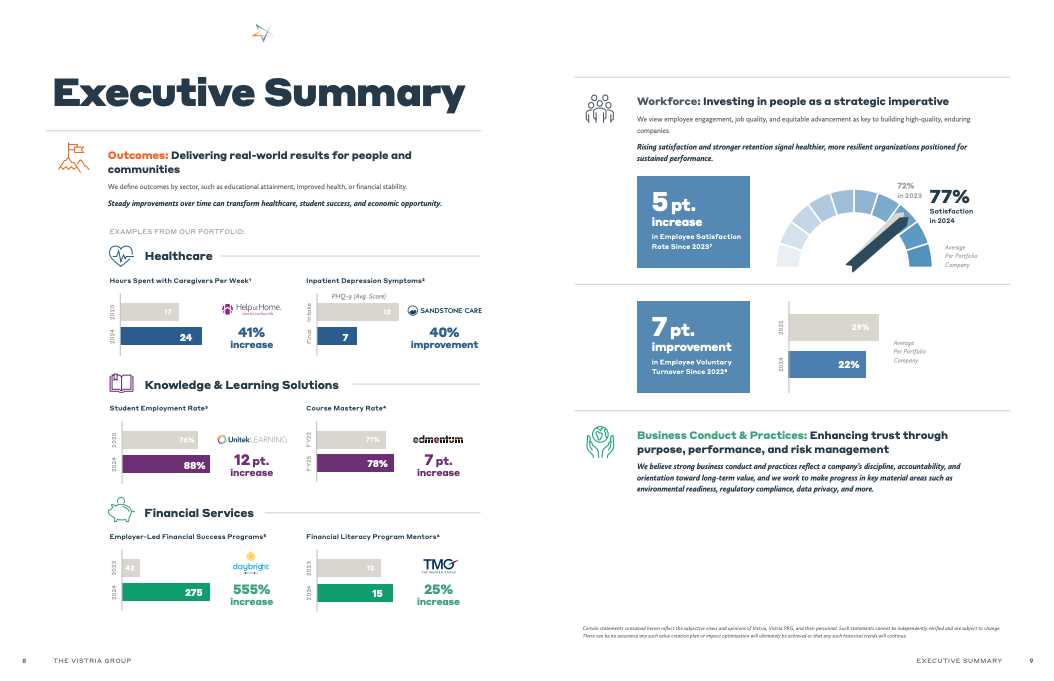
The Vistria Group's report presents a strong brand aesthetic. However, the report would benefit from a stronger messaging backbone to tie its components together more cohesively. One specific opportunity: creating clearer visual distinction between company-specific metrics versus portfolio-wide data would help readers understand the scope of what they're seeing.
The Characteristics of Reports That Hold Up
An impact report isn't just a compliance document or a marketing asset; it's an ongoing communication program that builds credibility over time. The organizations with the strongest reports treat each year as another chapter in a longer story, strengthening trust with every report they publish.
Three years into this review, several characteristics continue to separate stronger reports from weaker ones. The strongest reports are built around a clear narrative, support claims with credible evidence, communicate intentionally for different audiences, and execute consistently across every touchpoint.
These are not isolated best practices, but rather recurring patterns that make reports more useful, more trustworthy, and ultimately more enduring.
Inform Solutions is a boutique communications firm specializing in impact reports, long-form publications, as well as strategic communications for investment firms and innovative, growth-stage companies. This is our third year conducting a focused review of annual impact reports. Learn more at inform.solutions.